Emergency preparedness in Belgium: the 3-day home supplies the NCCN asks for
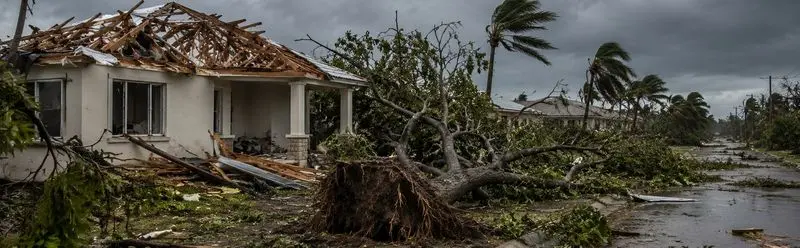
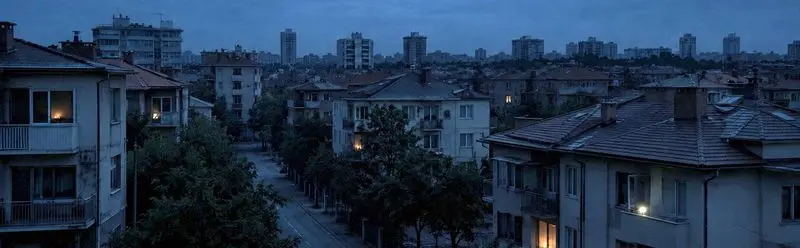
A storm brings down the power line in the evening, the internet goes with it, and you start to wonder what you have in the house. Belgium's National Crisis Centre has a short answer: be able to manage on your own for at least 3 days.
The National Crisis Centre (NCCN), part of the federal government, asks you to be able to manage on your own for at least 3 days (72 hours). It describes two parts: a bag you can grab quickly, and home supplies for staying put. For the home it plans 3 to 10 litres of water per person per day.
Emergency numbers in Belgium
| Service | Number | Source |
|---|---|---|
| Fire brigade and ambulance | 112 | Flemish government, "Noodoproepen" |
| Urgent police help | 101 | Flemish government, "Noodoproepen" |
| Police through 112 (menu: press 2) | 112 | Brussels-Capital Region, "Noodnummers" |
The Flemish government page says: “In België kunt u dag en nacht gratis het nummer 112 vormen voor brandweer of ambulance.” and “Voor dringende politiehulp kunt u ook 101 bellen.” In plain words (our translation): you can dial 112 free of charge, day and night, for the fire brigade or an ambulance, and for urgent police help you can also call 101. The same page says 112 works in every EU country, from a landline or a mobile phone.
The Brussels page says what happens when you call 112: “Voor ziekenwagen of brandweer, druk 1. Voor politie, druk 2.” (our translation: “For an ambulance or the fire brigade, press 1. For the police, press 2.”) We read both pages on 13 November 2026.
What the Belgian government asks
The National Crisis Centre (NCCN) is part of the federal government. On its page about home supplies, the Dutch text says you need supplies “waarmee je minstens 3 dagen (72 uur) zelfstandig verder kan”. The French page says: “autonome pendant au moins 3 jours (72 heures)”. In plain words (our translation of both): you can manage on your own for at least 3 days (72 hours).
We read both pages on 13 November 2026. The NCCN splits the supplies into two parts: “een rugzak of tas die je snel kan meenemen” (a backpack or bag you can take quickly) and “een noodpakket voor in huis” (a pack for the house, which we call home supplies).
Our suggestion: treat 3 days as the minimum, and add days as space and budget allow. Our guide to how many days an emergency kit should last puts Belgium next to other governments.
Water
For the home, Belgium has its own figure. The Dutch page says: “Voorzie tussen de 3 - 10 liter per persoon per dag.” The French page says: “Prévoyez entre 3 et 10 litres par personne et par jour.” In plain words (our translation of both): plan for between 3 and 10 litres per person per day.
The page explains that an adult drinks 1.5 to 2 litres of water a day (“Een volwassene drinkt elke dag 1,5 tot 2 liter water”), and that the rest is for hygiene, the toilet and cooking. For 3 days, 3 to 10 litres a day is 9 to 30 litres per person (our sum, not a line from the page). The water guide compares other governments.
A few examples from the government list
The NCCN list covers a bag to grab, a pack for the house, and extra parts for children and pets. Five examples:
- Copies of all identity cards.
- A little cash, for when you cannot pay online or withdraw money.
- A phone charger and a charged power bank.
- A basic first-aid kit.
- A whistle to tell the emergency services where you are.
What changes in your home
The official list is the same for everyone. Your home is not. A baby, a medicine you take every day, a pet or a basement that floods change what the list should hold. The full list, adjusted to the people and pets in your home, is in the app.
What this means for your home
| People at home | Water for 3 days |
|---|---|
| 1 | 9 L |
| 2 | 18 L |
| 3 | 27 L |
| 4 | 36 L |
Food for 3 days
The NCCN, Belgium's National Crisis Centre, plans 3 to 10 litres of water per person per day for the home and asks for supplies to manage on your own for at least 3 days (72 hours). The calculator uses the lowest figure, 3 litres. Source: NCCN (Belgium), "Een noodpakket bij je thuis"
Where to read more
- The NCCN page Een noodpakket bij je thuis, in Dutch, and Un kit d’urgence à la maison, in French.
- The Flemish government page Noodoproepen and the Brussels page Noodnummers, both in Dutch.
Common questions
How many days does the Belgian government ask you to prepare for?
At least 3 days, which is 72 hours. The National Crisis Centre says the supplies should let you carry on on your own for at least 3 days (72 hours).
What are the emergency numbers in Belgium?
112 for the fire brigade and an ambulance, and 101 for urgent police help. You can also reach the police through 112, where a voice menu asks you to press 2. These come from the Flemish government and the Brussels Region.
How much water per person per day does Belgium recommend?
For the home pack, between 3 and 10 litres per person per day. The page says an adult drinks 1.5 to 2 litres a day, and the rest is for hygiene, the toilet and cooking. For 3 days that is 9 to 30 litres per person, our sum.
What does the Belgian list say about a go bag?
It asks for a backpack or bag you can take quickly, apart from the home supplies. Examples from the list: copies of your ID cards, a little cash, a phone charger and a charged power bank, a first-aid kit and a whistle. The full list, adjusted to your home, is in the app.