Emergency kit guides
Clear answers to the questions people ask before they put their home supplies together. Every number comes from an official page, and the guide says which one.
Most read
- Planning · 5 min read
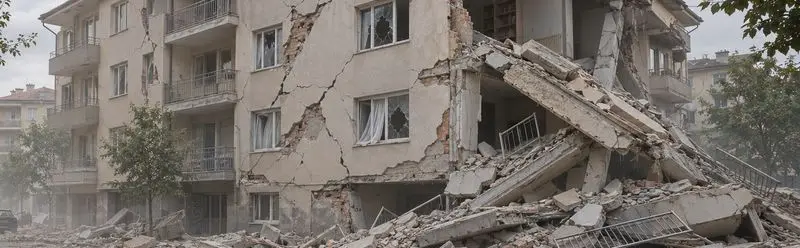
How many days should an emergency kit last? What each government says
Three days is the usual start. The EU and UK say 3 days, the US says several, Germany aims for 10. See each source and pick a number for your home.
- Water · 5 min read
How much water per person per day do you need in an emergency?
Plan for 3 litres per person per day to drink, for at least three days. Germany says 2 litres, the US 1 gallon with hygiene. See why the sources differ.
- Checklist · 4 min read
What should be in an emergency kit? A 3-day checklist
What the UK, EU, US, Canadian, French and German lists agree a 3-day emergency kit needs, in six groups, and what changes it in your own home.
- Planning · 6 min read
What the EU's 72-hour preparedness guidelines say, and what they mean for your home
The EU asks governments to promote at least 72 hours of self-sufficiency at home. It is guidance, not a rule for families. Here is what it covers.
- Home supplies · 4 min read
Does emergency food and water expire? How often to check your supplies
Governments ask you to check expiry dates every 6 months or once a year. Water you bottle yourself: every 6 months. A simple routine to follow.
- Power cut · 4 min read
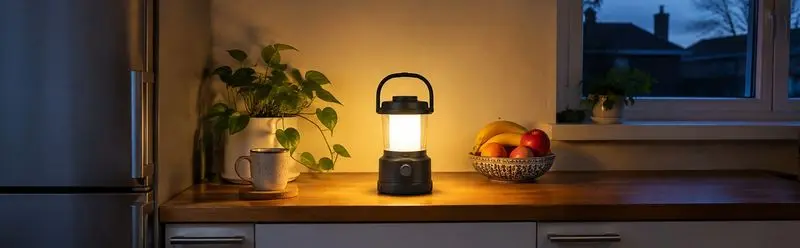
The first hours of a power outage at home: what to do and what to have
Keep the fridge shut, use a torch and not candles, and keep a battery radio and a charged power bank. What official pages say to do when power goes out.
- Go bag · 4 min read
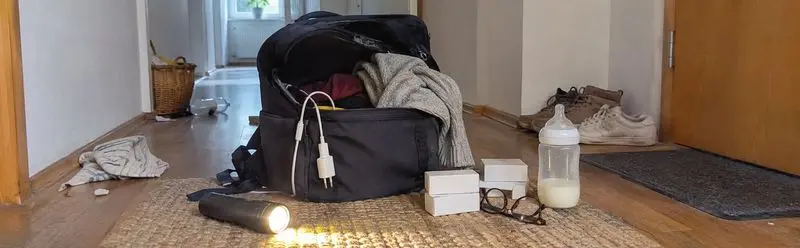
Ready-made emergency bag: what to add for your home
A ready-packed bag is a good start, but it is the same for everyone. What official lists say to add for medicines, a baby, pets, glasses, cash and papers.
- Home supplies · 4 min read
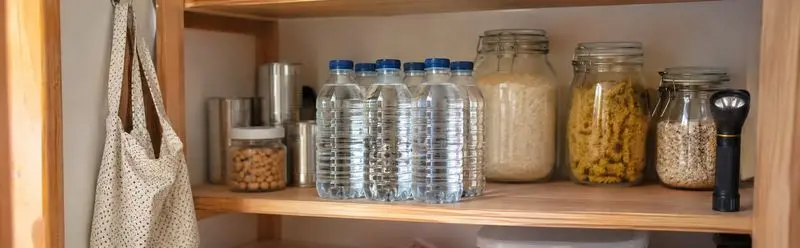
How to build home supplies step by step, without one big shop
You do not need a big shop. UK, German and Japanese official pages say to start small, buy a little extra of what you already eat and use the oldest first.

Choose your region
How many days should an emergency kit last? What each government says
Three days is the usual start. The EU and UK say 3 days, the US says several, Germany aims for 10. See each source and pick a number for your home.
How much water per person per day do you need in an emergency?
Plan for 3 litres per person per day to drink, for at least three days. Germany says 2 litres, the US 1 gallon with hygiene. See why the sources differ.
What should be in an emergency kit? A 3-day checklist
What the UK, EU, US, Canadian, French and German lists agree a 3-day emergency kit needs, in six groups, and what changes it in your own home.
Printable emergency kit checklist for 3 days
A free one-page emergency kit checklist to print or save as a PDF. It lists the main things a 3-day kit needs, and what changes the list for your home.
What the EU's 72-hour preparedness guidelines say, and what they mean for your home
The EU asks governments to promote at least 72 hours of self-sufficiency at home. It is guidance, not a rule for families. Here is what it covers.
Does emergency food and water expire? How often to check your supplies
Governments ask you to check expiry dates every 6 months or once a year. Water you bottle yourself: every 6 months. A simple routine to follow.
The first hours of a power outage at home: what to do and what to have
Keep the fridge shut, use a torch and not candles, and keep a battery radio and a charged power bank. What official pages say to do when power goes out.
Ready-made emergency bag: what to add for your home
A ready-packed bag is a good start, but it is the same for everyone. What official lists say to add for medicines, a baby, pets, glasses, cash and papers.
How to build home supplies step by step, without one big shop
You do not need a big shop. UK, German and Japanese official pages say to start small, buy a little extra of what you already eat and use the oldest first.
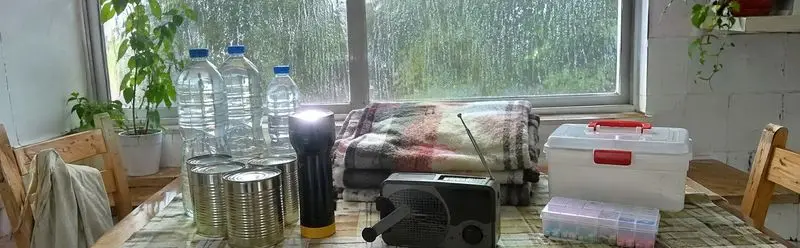
What is a 72-hour kit, and what is it not?
A 72-hour kit is not wilderness gear. It is basic supplies for the first 3 days of a crisis. What official guides put in it, and what they call it.

A battery radio and a power bank for when the power goes out
When power and the mobile network go down, a battery or wind-up radio and a charged power bank keep you informed. What official pages say, no brands.
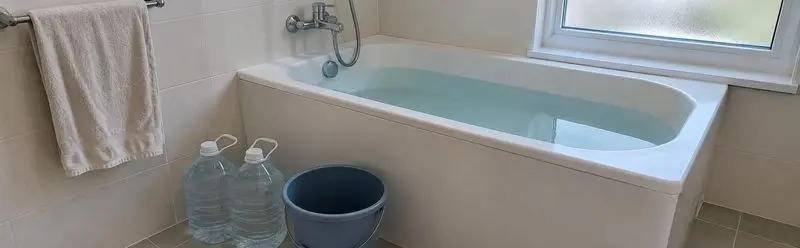
Emergency toilet: how many uses should you store at home?
Japan's government plans 5 uses per person per day and a week of supplies: 35 each, 140 for four. What other official lists say about the toilet.
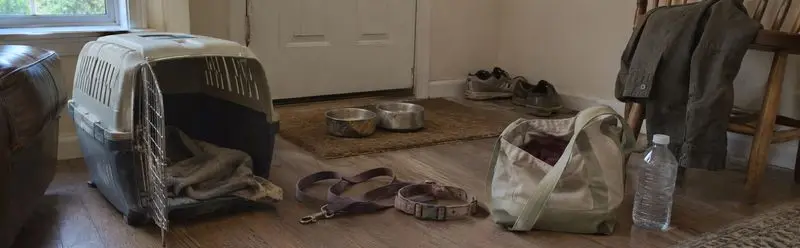
An emergency kit for your dog or cat: what do the official pages ask for?
Pets belong in your emergency plan. What Ready.gov, the UK Government, Germany's BBK and France's SGDSN ask you to set aside for a dog or cat, no brands.
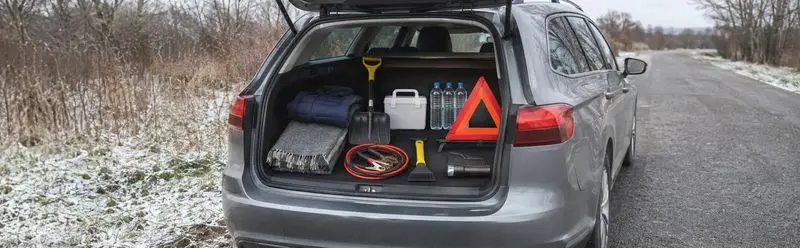
What should you keep in an emergency kit for your car?
What Ready.gov, Canada and the UK Government ask you to keep in the car in case you are stranded, plus the winter extras. No brands, no shopping list.
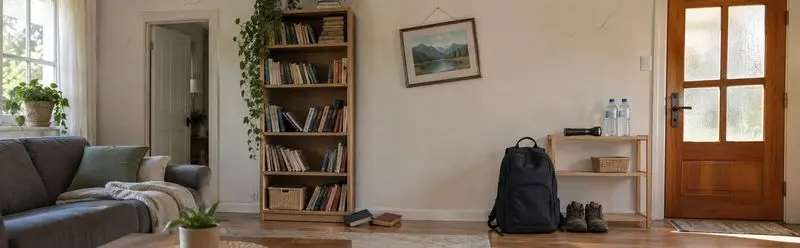
What should be in an earthquake kit, and where do you keep it?
What Ready.gov, Chile's SENAPRED and Italy's Civil Protection ask for in an earthquake kit: what to secure, what to keep, where. No brands or shops.
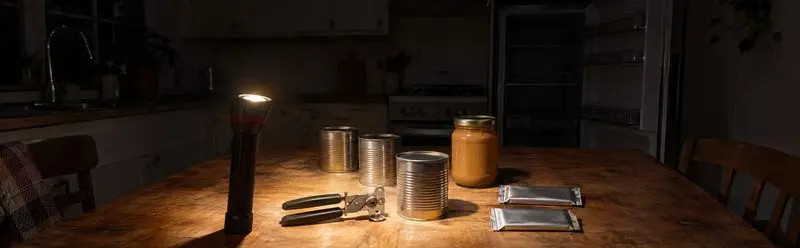
What food should be on an emergency food list?
What Ready.gov, the UK Government and Canada name as emergency food: no fridge, little or no cooking, plus a can opener, babies and pets. No brands.
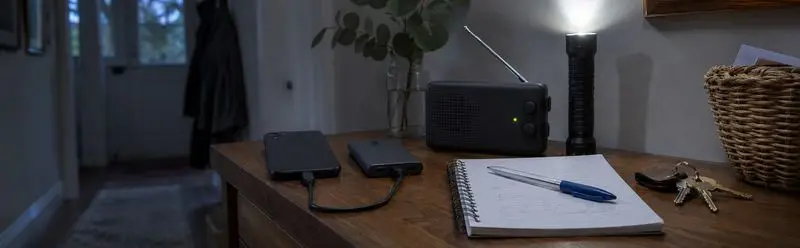
How does a family reach each other when the phone network is down?
How a family can agree a plan for when the phone network is down: who to include, a meeting place, numbers on paper, a radio and a power bank.
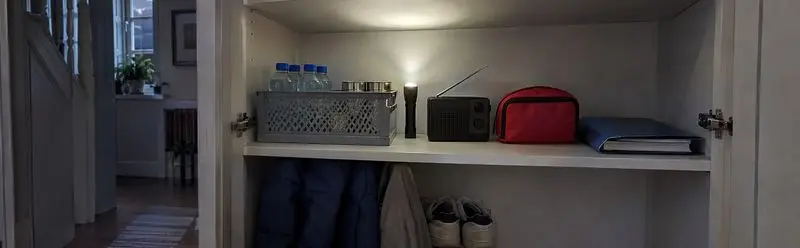
What do the UK, US and Canadian governments ask you to keep in an emergency kit?
Where the UK, US and Canadian governments agree on an emergency kit and where they differ: days, water, medicines, cash, documents and checking it.
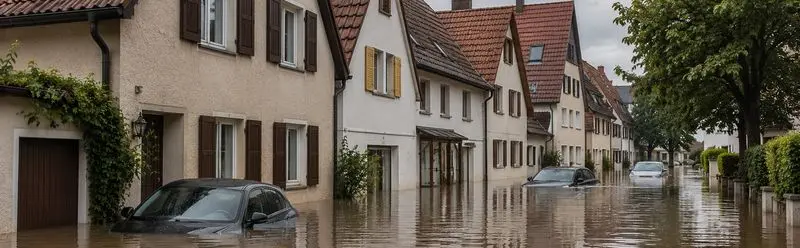
Emergency preparedness in Germany: what the BBK asks of households
Germany's BBK asks households to manage 10 days if they can, and says 3 days already help a great deal. Emergency numbers, water and where to start.
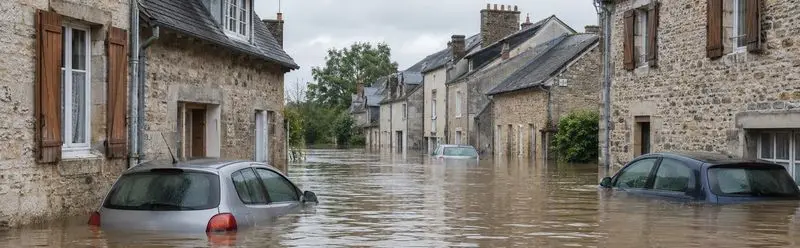
Emergency preparedness in France: what the SGDSN asks of households
France's SGDSN asks households for a kit for 72 hours, with 6 litres of water per person. Emergency numbers, water, main risks and where to start.
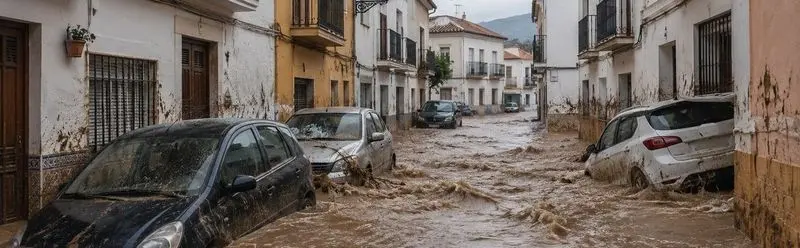
Emergency preparedness in Spain: what Protección Civil asks of households
Spain's civil protection describes a basic emergency kit for several days away from home. Emergency numbers, water per the Red Cross, and how to start.
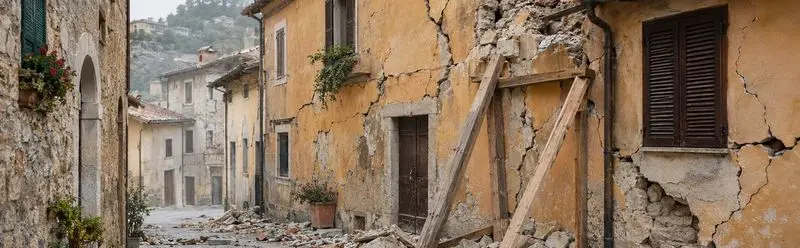
Emergency preparedness in Italy: what the Protezione Civile asks of households
Italy's Protezione Civile asks you to keep a first aid kit, a torch and a battery radio at home. Emergency numbers, water, main risks and where to start.
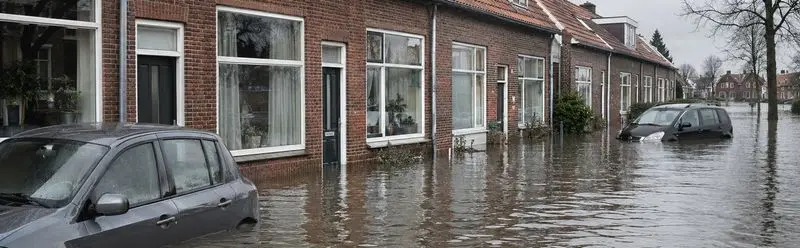
Emergency preparedness in the Netherlands: the 72-hour noodpakket
The Dutch government asks you to be ready for 72 hours with a noodpakket. Emergency number 112, 3 litres of water per person a day, and where to start.

Emergency preparedness in Portugal: what the ANEPC asks of households
Portugal's ANEPC asks households to keep a reserve of water and tinned food at home for two or three days. Emergency numbers, water and where to start.
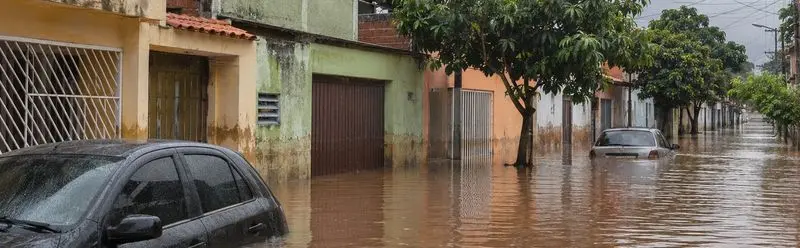
Emergency preparedness in Brazil: 190, 192, 193 and 199, and what the official pages say about water
In Brazil the emergency numbers are 190, 192, 193 and 199. The MIDR gives no days or litres; the state of Paraná lists 2 L of water per person a day.
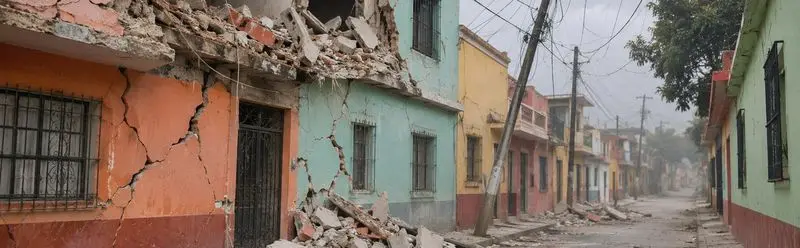
Emergency preparedness in Mexico: 911, the 72-hour go bag and the reserve box
Mexico's CENAPRED asks for a go bag with supplies for 72 hours, plus a reserve box if the emergency continues. Emergency number 911 and where to start.
Emergency preparedness in the United States: several days, one gallon a day, and 911
Ready.gov says several days with no number; the American Red Cross says 3 days to go, 2 weeks at home. One gallon of water per person per day. Call 911.
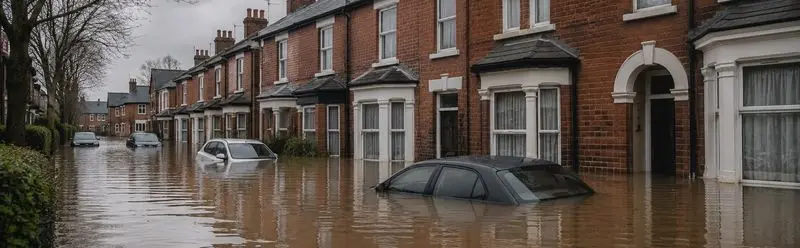
Emergency preparedness in the UK: what the Government's Be Ready campaign asks
The UK Government's Be Ready campaign asks you to be ready for 3 days. Emergency numbers, 3 litres of water a day, the main risks and where to start.
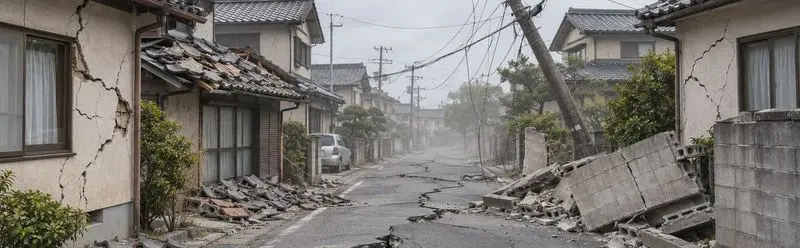
Emergency preparedness in Japan: what the government asks of households
Japan's government asks for at least 3 days of water and food at home, and 1 week after a major disaster. Emergency numbers 110 and 119, water and a start.
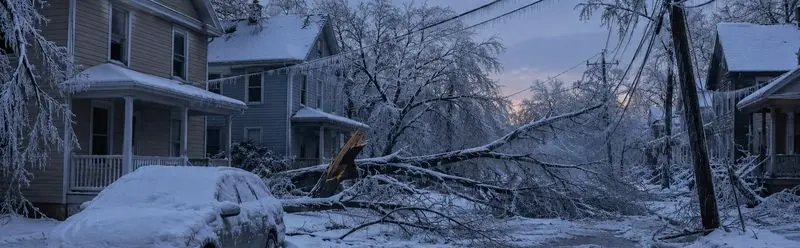
Emergency preparedness in Canada: 72 hours, water and 9-1-1
The Government of Canada asks you to be self-sufficient for at least 72 hours, plans 2 litres of water a day and gives 9-1-1 as the number. Sources.
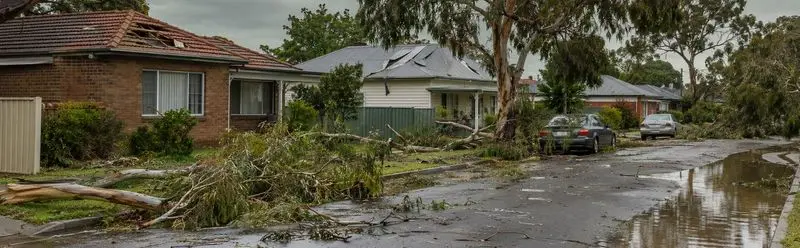
Emergency preparedness in Australia: 000, days of supplies and water, from state sources
Queensland says 3 days of food, Victoria "a couple of days", and Queensland's Get Ready portal 3 L of water per person a day. In an emergency, call 000.

Emergency preparedness in Ireland: what the Office of Emergency Planning asks of households
Ireland's Office of Emergency Planning asks for enough food and water to see you through. Numbers 112 and 999, water, main risks and where to start.
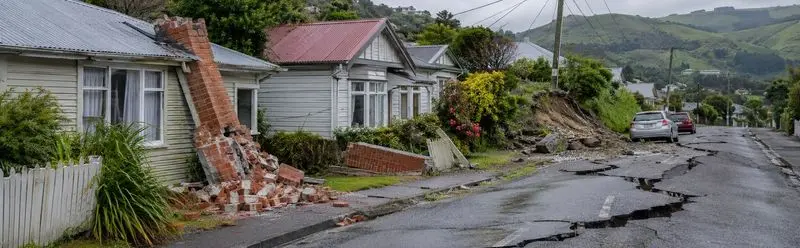
Emergency preparedness in New Zealand: 111, three days of supplies and 3 litres of water a day
Auckland asks for supplies for at least three days and Health NZ says 3 litres of drinking water per person a day. Number 111, main risks, where to start.
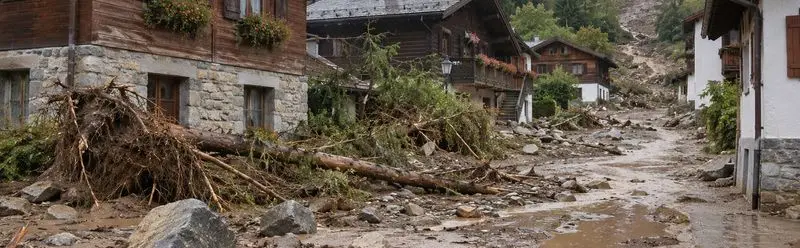
Emergency preparedness in Switzerland: a week of home supplies, and 3 days of water
The Swiss BWL recommends home supplies for about a week and at least 9 litres of water per person. Numbers 112, 117, 118 and 144, and where to start.

Emergency preparedness in Austria: what the government asks of households
Austria's Ministry of the Interior asks households to plan for 10 to 14 days, with 2.5 litres of water per person per day. Numbers, risks and first steps.
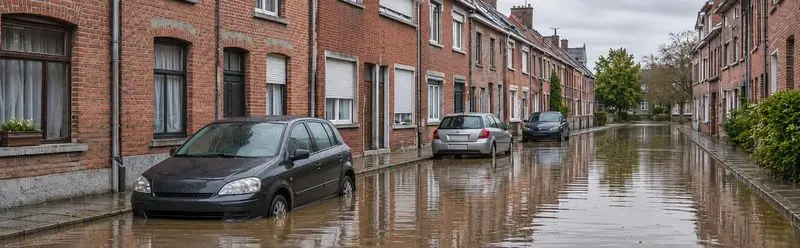
Emergency preparedness in Belgium: the 3-day home supplies the NCCN asks for
Belgium's National Crisis Centre asks you to manage alone for at least 3 days (72 hours). Emergency numbers 112 and 101, and 3 to 10 litres of water a day.
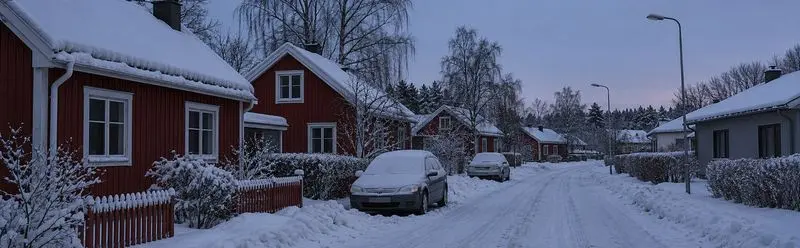
Emergency preparedness in Sweden: what the MCF asks of households
Sweden's MCF asks households to manage at least a week without power, water or shops, and plans 3 to 5 litres of water a day. Numbers and first steps.
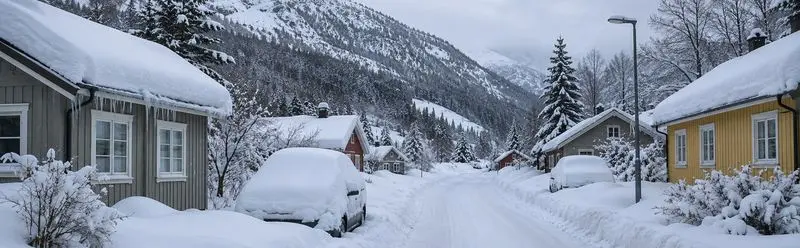
Emergency preparedness in Norway: what the DSB asks of households
Norway's DSB asks households to manage on their own for a week. Emergency numbers 110, 112 and 113, 20 litres of water per person, and where to start.
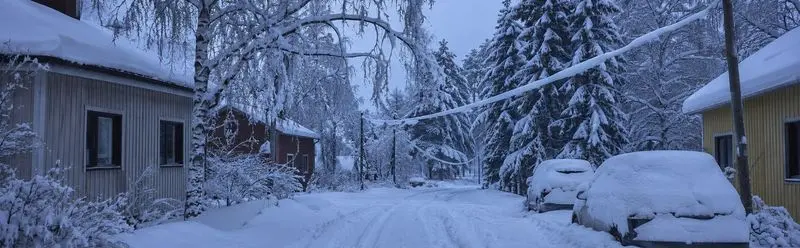
Emergency preparedness in Finland: what the government asks of households
Finland asks households to cope alone for at least 72 hours (3 days). Emergency number 112, at least 2 litres of drinking water a day, and how to start.
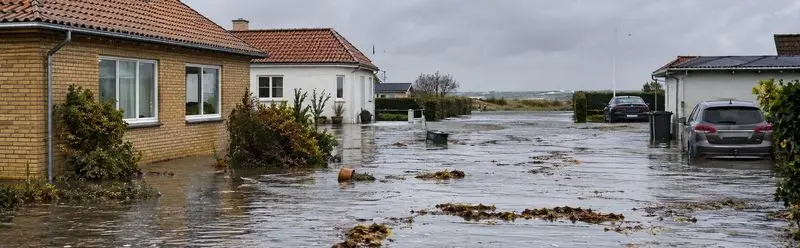
Emergency preparedness in Denmark: three days at home
The Danish government asks you to manage for three days (tre døgn) at home. Emergency number 112, 3 litres of water per person a day, and where to start.
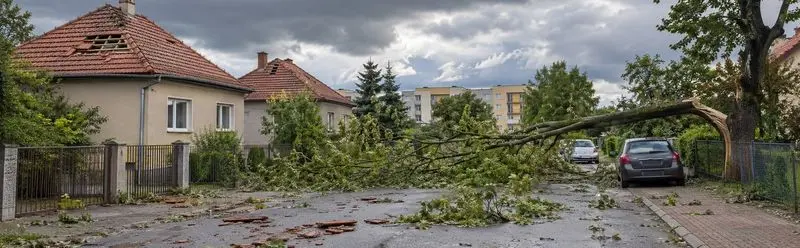
Emergency preparedness in Poland: what the government safety guide says
Poland's 2025 government safety guide asks for home supplies for at least 3 days and 3 litres of water per person per day. Numbers: 112, 997, 998, 999.
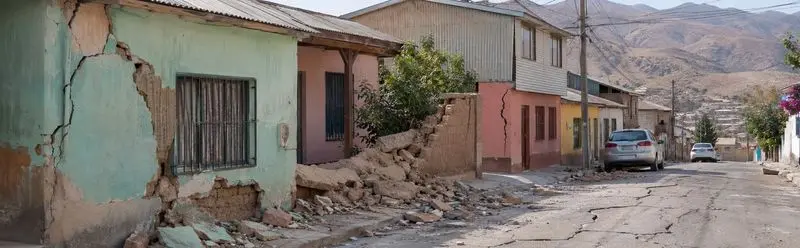
Emergency preparedness in Chile: 48 to 72 hours, 2 litres of water and a number for each service
Chile's SENAPRED asks for basic supplies for 48 to 72 hours and counts 2 litres of water per person a day. Emergency numbers 131, 132, 133, 134 and 130.
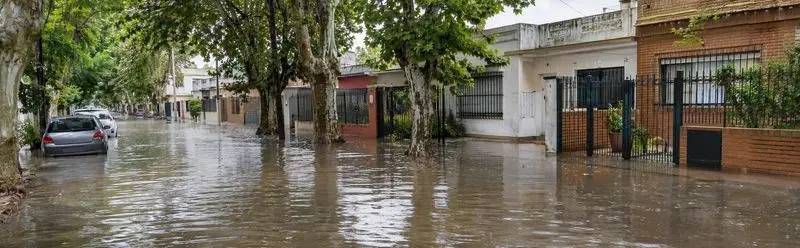
Emergency preparedness in Argentina: 911, the 1-day go bag and a week of food
In Argentina, SINAGIR asks for 1 day of water and food in the go bag and the health ministry for a week of food. Numbers 911, 100 and 103, water and risks.
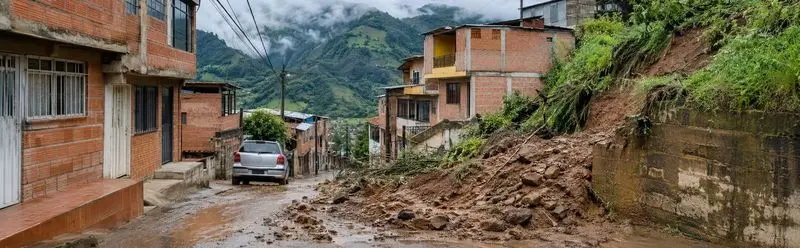
Emergency preparedness in Colombia: 123, how many days, and the main risks
Colombia's police list 123 for emergencies. Bogotá's government asks for supplies for at least 72 hours. Numbers, a few examples and the main risks.
By topic
- Planning · 5 min read
How many days should an emergency kit last? What each government says
Three days is the usual start. The EU and UK say 3 days, the US says several, Germany aims for 10. See each source and pick a number for your home.
- Water · 5 min read
How much water per person per day do you need in an emergency?
Plan for 3 litres per person per day to drink, for at least three days. Germany says 2 litres, the US 1 gallon with hygiene. See why the sources differ.
- Checklist · 4 min read
What should be in an emergency kit? A 3-day checklist
What the UK, EU, US, Canadian, French and German lists agree a 3-day emergency kit needs, in six groups, and what changes it in your own home.
- Checklist · 3 min read
Printable emergency kit checklist for 3 days
A free one-page emergency kit checklist to print or save as a PDF. It lists the main things a 3-day kit needs, and what changes the list for your home.
- Planning · 6 min read
What the EU's 72-hour preparedness guidelines say, and what they mean for your home
The EU asks governments to promote at least 72 hours of self-sufficiency at home. It is guidance, not a rule for families. Here is what it covers.
- Home supplies · 4 min read
Does emergency food and water expire? How often to check your supplies
Governments ask you to check expiry dates every 6 months or once a year. Water you bottle yourself: every 6 months. A simple routine to follow.
- Power cut · 4 min read
The first hours of a power outage at home: what to do and what to have
Keep the fridge shut, use a torch and not candles, and keep a battery radio and a charged power bank. What official pages say to do when power goes out.
- Go bag · 4 min read
Ready-made emergency bag: what to add for your home
A ready-packed bag is a good start, but it is the same for everyone. What official lists say to add for medicines, a baby, pets, glasses, cash and papers.
- Home supplies · 4 min read
How to build home supplies step by step, without one big shop
You do not need a big shop. UK, German and Japanese official pages say to start small, buy a little extra of what you already eat and use the oldest first.
- Planning · 4 min read
What is a 72-hour kit, and what is it not?
A 72-hour kit is not wilderness gear. It is basic supplies for the first 3 days of a crisis. What official guides put in it, and what they call it.
- Power cut · 4 min read
A battery radio and a power bank for when the power goes out
When power and the mobile network go down, a battery or wind-up radio and a charged power bank keep you informed. What official pages say, no brands.
- Hygiene · 3 min read
Emergency toilet: how many uses should you store at home?
Japan's government plans 5 uses per person per day and a week of supplies: 35 each, 140 for four. What other official lists say about the toilet.
- Go bag · 4 min read
An emergency kit for your dog or cat: what do the official pages ask for?
Pets belong in your emergency plan. What Ready.gov, the UK Government, Germany's BBK and France's SGDSN ask you to set aside for a dog or cat, no brands.
- Go bag · 4 min read
What should you keep in an emergency kit for your car?
What Ready.gov, Canada and the UK Government ask you to keep in the car in case you are stranded, plus the winter extras. No brands, no shopping list.
- Planning · 5 min read
What should be in an earthquake kit, and where do you keep it?
What Ready.gov, Chile's SENAPRED and Italy's Civil Protection ask for in an earthquake kit: what to secure, what to keep, where. No brands or shops.
- Home supplies · 5 min read
What food should be on an emergency food list?
What Ready.gov, the UK Government and Canada name as emergency food: no fridge, little or no cooking, plus a can opener, babies and pets. No brands.
- Planning · 5 min read
How does a family reach each other when the phone network is down?
How a family can agree a plan for when the phone network is down: who to include, a meeting place, numbers on paper, a radio and a power bank.
- Checklist · 5 min read
What do the UK, US and Canadian governments ask you to keep in an emergency kit?
Where the UK, US and Canadian governments agree on an emergency kit and where they differ: days, water, medicines, cash, documents and checking it.
In your country
What your government asks you to keep at home, and its emergency numbers.