Emergency preparedness in Germany: what the BBK asks of households
You read that the German authorities would like every household to manage for 10 days. For a flat in the city, that sounds like a lot of water and tins. The same authority says that even 3 days help a great deal, and that you can build up step by step.
Germany's Federal Office for Population Protection and Disaster Assistance (BBK) asks households to be able to look after themselves for 10 days if possible, and says a stock for at least 3 days already helps a great deal. It plans 2 litres of water per person per day. The advice is not binding.
Emergency numbers in Germany
| Service | Number | Source |
|---|---|---|
| Fire service and rescue service (Feuerwehr, Rettungsdienst) | 112 | BBK guide, p. 36 |
| Police (Polizei) | 110 | BBK guide, p. 36 |
| On-call medical service (Ärztlicher Bereitschaftsdienst) | 116117 | BBK guide, p. 36 |
| Number for the authorities (Behördenrufnummer) | 115 | BBK guide, p. 36 |
These come from the list “Wichtige Rufnummern” (important phone numbers) in the BBK guide “Vorsorgen für Krisen und Katastrophen” (11/2025), read in November 2026. The BBK’s checklist also asks you to keep a phone list on paper.
What the German government asks
The Federal Office for Population Protection and Disaster Assistance (BBK) is the federal authority for civil protection. In its guide it says:
“All households should be able to look after themselves for 10 days if possible. […] But a stock for at least 3 days already helps a great deal. You can build on that step by step.” (BBK guide, p. 3, our translation of the German original)
Read on 10 November 2026, in the BBK guide and on its page “Essen und Trinken bevorraten”. So there are two numbers: 10 days as the goal, and 3 days as the useful minimum. The BBK does not talk about 72 hours. It adds that its recommendations are not binding.
If you rely on regular medicines, the BBK considers a stock for at least 10 days sensible (BBK guide).
Our suggestion: start with 3 days for everyone in your home, which is also where the EU starts, and add days as space and budget allow. Our guide to how many days an emergency kit should last puts Germany next to other governments.
Water
Germany has its own figure. The BBK guide says:
“Ideally 2 litres per person per day. Of this, 0.5 litres is meant as water for cooking.” (BBK guide, p. 7, our translation of the German original)
For 3 people, the BBK’s example is 18 litres for 3 days, 30 litres for 5 days and 60 litres for 10 days. On its web page, the BBK adds that an adult needs at least 1.5 litres of fluid a day, with 0.5 litres extra if you cook. It also reminds you to think of your pets. Other governments use other figures, and the water guide compares them.
The situations we plan for
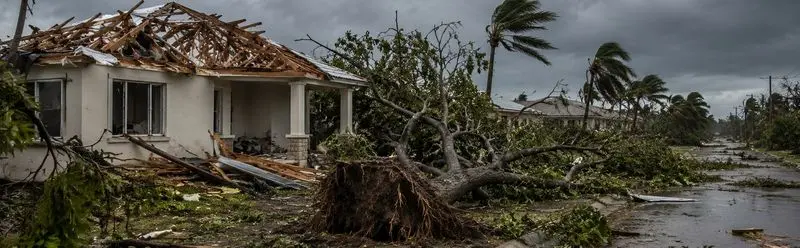
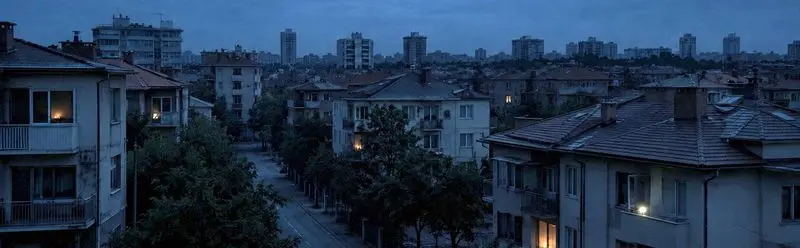
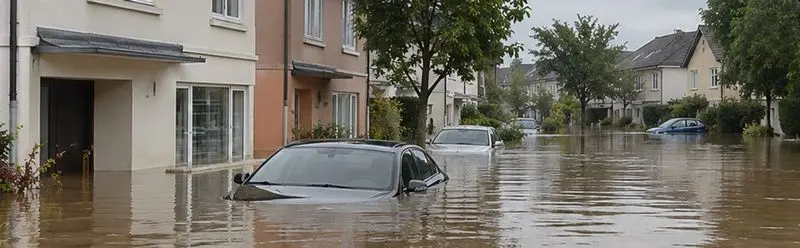
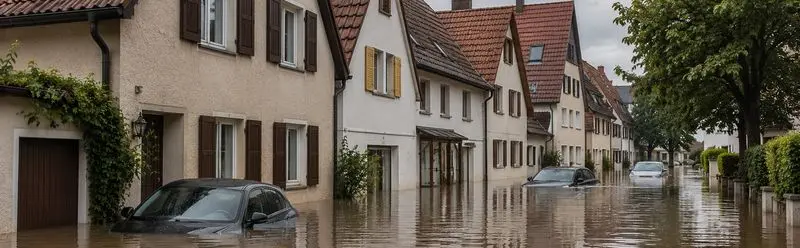
This is our own working list of common situations, not a BBK list: a long power cut, a flood or storm, and hot weather.
- A long power cut. Light and news come first. The BBK checklist for home supplies lists a torch with batteries and a radio, among other things. Our suggestion is a torch rather than candles, because a torch is safer than an open flame.
- A flood or storm. If you may have to leave quickly, the BBK suggests a separate bag, covered below.
- Hot weather. You will drink more, so water goes first. The water guide shows how heat raises the figure.
What to do at home
- Start with 3 days. Water (2 litres per person per day), food that keeps and needs little cooking, light, a radio and a first aid kit are examples from the BBK list. The full list, adjusted to your home, is in the app.
- Pack a go bag as well. The BBK calls it Notgepäck and lists it on p. 27 of its guide. Five examples: warm clothes, rain protection, important documents, a charged power bank and cash.
- Think of who needs more. For people with limitations, the BBK guide (p. 8) lists, for example, glasses and hearing aids, a medicine plan and stock, and a list of emergency contacts.
What changes in your home
Who lives with you changes the list: children, older relatives, anyone who takes medicines every day and pets each need different things. Where you live matters too, because a flat in the city and a house near a river do not face the same risks. The list that fits your home, with those differences built in, is in the app.
What this means for your home
| People at home | Water for 3 days | Water for 10 days |
|---|---|---|
| 1 | 6 L | 20 L |
| 2 | 12 L | 40 L |
| 3 | 18 L | 60 L |
| 4 | 24 L | 80 L |
Food for 3 days · Food for 10 days
The BBK plans 2 litres of water per person per day, of which 0.5 litre is for cooking. It asks for a supply for 10 days if possible, and says 3 days already helps a great deal. Source: BBK (Germany), Vorsorgen für Krisen und Katastrophen (PDF)
Where to read more
- The BBK guide Vorsorgen für Krisen und Katastrophen (PDF, 11/2025), in German.
- The BBK page Essen und Trinken bevorraten and the page with the guide and checklist.
- The federal stock page of the BLE, Notvorrat, which also recommends 10 days. The BBK guide points to its stock calculator, at www.ernaehrungsvorsorge.de/private-vorsorge/notvorrat/vorratskalkulator.
Common questions
How many days does the BBK ask Germans to prepare for?
The BBK's goal is 10 days of looking after yourself at home, if possible. It also says that a stock for at least 3 days already helps a great deal, and that you can build on that step by step. It does not use the 72-hour figure.
Is the BBK recommendation mandatory?
No. The BBK's own page says its recommendations are not a binding requirement. They are advice to help you, not a rule for households.
How much water per person per day does the BBK recommend?
Ideally 2 litres per person per day, of which 0.5 litres is meant for cooking. For 3 people, the BBK's example is 18 litres for 3 days, 30 litres for 5 days and 60 litres for 10 days. It also asks you to think of your pets.
What are the emergency numbers in Germany?
The BBK guide lists 112 for the fire service and rescue service, 110 for the police, 116117 for the on-call medical service and 115 as the number for the authorities. It also suggests a phone list on paper.
What does the BBK put in a go bag?
The BBK calls it Notgepäck. Examples from its list: warm clothes, rain protection, important documents, a charged power bank and cash. The full list, adjusted to your home, is in the app.