What should be in an emergency kit? A 3-day checklist
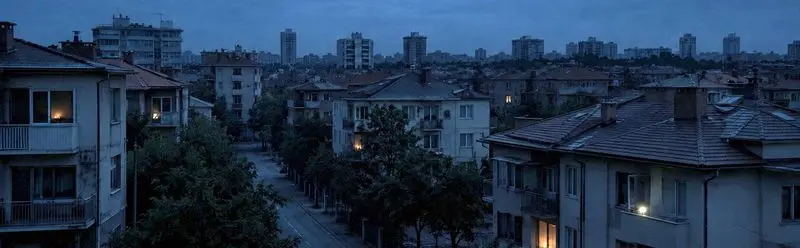
The lights go out, your phone is at 12% and you cannot remember where the torch is. It happens in most homes, and an afternoon is enough to fix it. Here is the core the official lists agree on, and what changes it in your home.
A three-day list comes down to six things: water, food that needs no cooking, light and power, warmth, health and hygiene, and your papers and cash. The UK, EU, US, French and German lists agree on that core. What goes on top depends on who lives with you.
Want it on one page to tick? Use the printable checklist. Below are the six groups every official list shares.
Official sources often say “emergency kit”. The EU asks authorities to keep two things apart: supplies for staying at home, which we call home supplies, and a bag for leaving quickly, which we call the go bag (the EU calls it an emergency bag).
The six things the lists agree on
On 30 October 2026 the European Commission published non-binding guidelines for the authorities of Member States, with at least 72 hours of self-sufficiency as the minimum baseline.
- Water. Every list starts here. How much depends on the source and on how many of you there are, so the water guide compares them.
- Food that needs no fridge or cooking. For example tinned food, energy bars and a manual can opener.
- Light, power and news. A torch (flashlight) and spare batteries, a battery or hand-crank radio, and a charged power bank.
- Warmth. Warm clothes and blankets.
- Health and hygiene. A first aid kit, the medicines you rely on, and wipes and hand sanitiser.
- Papers and cash. Copies of important documents, and cash in small notes and coins.
Our suggestion is a torch rather than candles, because a torch is safer than an open flame.
The full list for your home, item by item, is in the app.
What changes the list in your home
Canada’s checklist says your supplies should “reflect the unique needs of each member of your household, including pets”. That is where official lists stop being the same:
- People. A baby, an older relative or a child changes both what goes in and how much.
- Pets. The UK and German guides both say to plan for them, and neither gives one amount.
- Health. Medicines, glasses and anything you rely on are personal, and they come first.
- Where you live. Cold, heat, and how far you are from the shops change what is useful.
These are the parts that take time, because each home needs a different sum.
A bag for leaving fast is a go bag
If you may have to leave, Germany’s BBK suggests a separate bag of its own, apart from your home supplies. Canada’s checklist says the same: grab and go bags “are easier to carry in an evacuation”. Keep it light enough to carry yourself, and where you can reach it in a hurry.
Where to keep it, and when to check it
The French guide says to put the supplies in an easy-to-reach place and to write down where they are and the date you put them together. Ready.gov asks for one or two easy-to-carry containers.
Things you store expire. The UK Government suggests a reminder every six months to check expiry dates and swap out items, and France says to check twice a year and replace the batteries. Canada’s checklist asks you to replace non-perishable food once a year. For how long to plan for, see how many days an emergency kit should last.
Country by country
Each page below is written from that country's own official sources.
Common questions
What is the difference between a go bag and home supplies?
Home supplies are what you keep to stay in your home for a few days. A go bag is lighter and is for leaving quickly. Germany's BBK separates the two clearly, and Canada's checklist suggests a separate grab and go bag that is easier to carry in an evacuation.
Do I need every item on this list?
No. Start with water, food, light and a charged power bank. Add the rest as you can. Official lists differ in small ways, and your household, such as babies, pets or medicines, changes what you need.
Where should I keep the supplies?
The French guide says to put them in an easy-to-reach place, and to write down where they are and the date you put them together. Ready.gov asks for one or two easy-to-carry containers.
How often should I check the supplies?
The UK Government suggests a reminder every six months to check expiry dates and swap items. French guidance says twice a year, and to replace the batteries. Canada's checklist suggests using the clock change in spring and fall.
Should I use candles?
Some national lists include candles, but the UK and US checklists do not. Our suggestion is a torch with spare batteries, because it is safer than an open flame.
Sources
- UK Government, Be Ready checklist (PDF)
- UK Government, Be Ready for emergencies
- European Commission, SWD(2026) 826, "Reaching a Population Self Sufficiency of at least 72 Hours"
- Ready.gov, Build a kit
- Government of Canada, Emergency kit checklist
- SGDSN (France), "Tous responsables" (PDF, 11/2025)
- BBK (Germany), "Vorsorgen für Krisen und Katastrophen" (PDF, 11/2025)
- European Commission, "Guidelines on Population Preparedness", C(2026) 8250 (30 October 2026)