Emergency preparedness in the UK: what the Government's Be Ready campaign asks
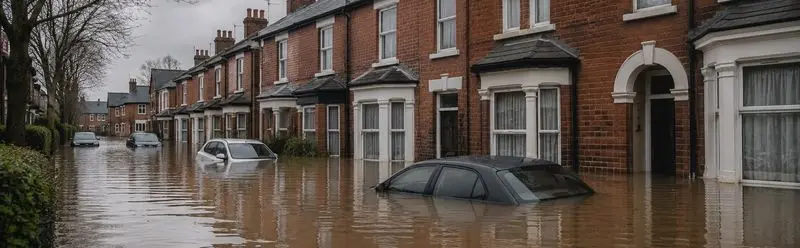
A storm takes down the power, the road floods and the shops are shut. How long should the cupboard last? The UK Government's Be Ready campaign gives a clear answer, and the Red Cross adds the water sums.
The UK Government's Be Ready campaign asks households to be ready for 3 days, so that you can manage while support reaches those most in need. It plans 3 litres of drinking water per person per day, with more for cooking and washing. In immediate danger, call 999.
Emergency numbers in the UK
| Service | Number | Source |
|---|---|---|
| Emergency services | 999 | GOV.UK, Call charges |
| Emergency services | 112 | GOV.UK, Call charges |
| Medical advice that is not an emergency | 111 | GOV.UK, Call charges |
| Power cuts | 105 | GOV.UK, Call charges |
GOV.UK lists calls to 999 and 112 as free. The Be Ready page says: “Call 999 if you or someone else is in immediate danger.” We read both pages in November 2026.
What the UK Government asks
The Be Ready campaign is run by the UK Government and published on GOV.UK. The checklist says:
“Being ready for 3 days helps you manage while support reaches those most in need.” (Be Ready checklist)
We read this on the Be Ready page and in the checklist PDF on 10 November 2026. So the figure is 3 days, and the reason is practical: if you can manage at home, help can go first to people who cannot. The British Red Cross uses the same idea and calls it 72 hours or three days.
The focus is home supplies for 3 days. Five examples from the checklist: water, food that needs no fridge or cooking, a torch and batteries, a radio and a first aid kit. The full list, adjusted to your home, is in the app.
Water
The UK has its own figure. The Be Ready checklist says:
“Bottled water for 3 days. 3 litres per person per day for drinking. More would be needed for other tasks such as cooking and washing.” (Be Ready checklist)
The British Red Cross is close: around 2.5 to 3 litres of drinking water per person per day, and around 10 litres per person per day once cooking, washing and hygiene are included. For two people over 3 days, the Be Ready figure comes to 18 litres of drinking water. Other governments use other figures, and the water guide compares them.
The situations we plan for
These are our working list of common situations, not a government list: flooding, storms, cold weather and a power cut.
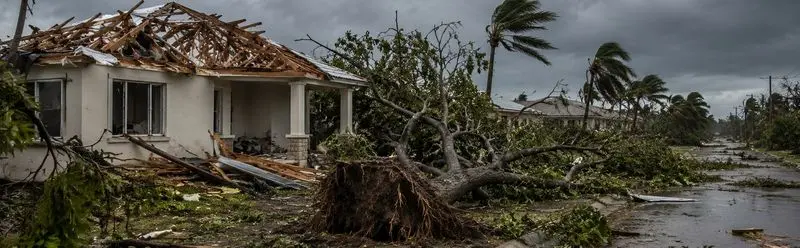
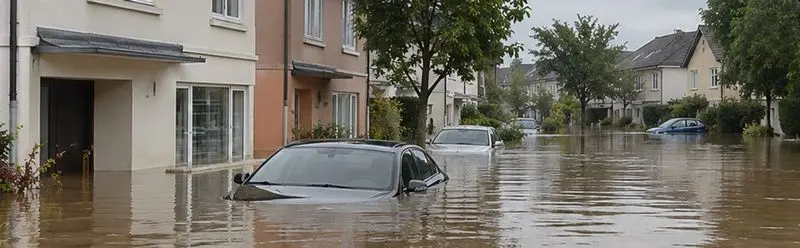
- Flooding and storms. Roads can close and shops shut. Water, food that keeps and a charged power bank matter most. If you may have to leave, a go bag is useful, covered below.
- Cold weather. The checklist asks for blankets, sleeping bags and warm clothes.
- A power cut. A torch with spare batteries and a battery or hand-crank FM radio cover light and news. Our suggestion is a torch rather than candles, because a torch is safer than an open flame. GOV.UK lists 105 for power cuts.
What to do at home
- Start with 3 days of home supplies. Water at 3 litres per person per day for drinking, plus the kind of examples above. The full list, adjusted to your home, is in the app.
- Keep a go bag too, if you may have to leave. Be Ready mentions a grab bag but gives no list of items for it. Our suggestion: a light bag by the door, ready before you need it.
- Think of who needs more. Babies, older relatives and pets change both what you keep and how much. The guide to how many days shows how governments compare.
What changes in your home
Who lives with you changes the list: a baby, an older relative, someone who takes medicines every day or a pet each need different things. Where you live matters as well, because a flood-prone street and a flat in a high-rise are not the same. The list that fits your home, with those differences built in, is in the app.
What this means for your home
| People at home | Water for 3 days |
|---|---|
| 1 | 9 L |
| 2 | 18 L |
| 3 | 27 L |
| 4 | 36 L |
Food for 3 days
The Be Ready checklist plans 3 litres of drinking water per person per day, for 3 days. More is needed for cooking and washing. Source: UK Government, Be Ready checklist (PDF)
Where to read more
- The UK Government page Be ready for emergencies and the Be Ready checklist (PDF).
- GOV.UK Call charges, for the numbers above.
- The British Red Cross pages on how to prepare an emergency kit and how to prepare your home for 72 hours.
Common questions
How many days does the UK Government ask you to prepare for?
Three days. The Be Ready checklist says: "Being ready for 3 days helps you manage while support reaches those most in need." The British Red Cross uses the same idea, calling it 72 hours or three days.
What are the emergency numbers in the UK?
999 and 112 are both listed on GOV.UK as emergency services calls, and both are free. The Be Ready page says to call 999 if you or someone else is in immediate danger. GOV.UK also lists 111 for medical advice that is not an emergency and 105 for power cuts.
How much water per person per day does the UK recommend?
The Be Ready checklist says 3 litres per person per day for drinking, and that more would be needed for cooking and washing. The British Red Cross says around 2.5 to 3 litres for drinking, and around 10 litres per person per day once cooking, washing and hygiene are included.
What does the Be Ready campaign say about a go bag?
Be Ready mentions a grab bag for leaving in a hurry, but gives no list of items for it. The checklist itself is about supplies at home for 3 days. Our suggestion: build the home supplies first, then a light go bag.
Does the checklist change for babies, older relatives or pets?
Yes. The Be Ready checklist adds items for babies and for pets, so what you keep depends on who lives with you. The full list, adjusted to your home, is in the app.