Emergency preparedness in Canada: 72 hours, water and 9-1-1
You open the Canada.ca pages and read that the government wants you ready to look after yourself for at least 72 hours. That is three days of water, food and light at home, or in a bag if you have to leave. It is a smaller job than it sounds, and the water sum is simple.
The Government of Canada asks you to be self-sufficient for at least 72 hours, which is 3 days. Its kit checklist plans 2 litres of water per person per day, for drinking, cooking and hygiene. The same kit is meant to work whether you stay home or leave. In an emergency, call 9-1-1: you cannot currently text it.
Emergency numbers in Canada
| Service | Number | Source |
|---|---|---|
| Emergency help | 9-1-1 | Government of Canada, Emergency Preparedness Week articles |
The Government of Canada says: “in an emergency or to save a life, call 9-1-1 for help.” It also says: “If you are not experiencing an emergency, do not call 9-1-1.” And it adds: “You cannot currently text 9-1-1.” So make a voice call. We read this page on 13 November 2026.
What the Canadian government asks
The Government of Canada asks you to be ready to look after yourself for at least 72 hours. On its page “Emergency kits” it says:
“Be prepared to be self-sufficient for at least 72 hours.” (Government of Canada, “Emergency kits”)
The checklist page says the kit should help you “stay safe and comfortable for at least 3 days (72 hours)”. We read these pages on 13 November 2026.
The government calls it an “emergency kit”, and the same kit has two jobs: it should last 72 hours “whether you need to evacuate or shelter in place”, and it should be easy to carry if you have to leave. In this guide we say home supplies for staying and a go bag for leaving, so you can keep the two apart.
72 hours is also where we start. Our guide to how many days an emergency kit should last puts Canada next to other governments.
Water
The Canadian checklist has its own figure:
“Stored or bottled water: two litres per person per day for drinking, cooking and hygiene” (Government of Canada, “Emergency kit checklist”, read on 13 November 2026)
For 3 days that is 6 litres per person: 12 litres for 2 people, 24 litres for a household of 4. That is our arithmetic on the government’s figure. Other governments use other figures, and the water guide compares them.
The risks the government names
The Government of Canada says that “Canada faces various regional hazards”. Two come with a figure or a season we can quote, and a third group depends on where you live:
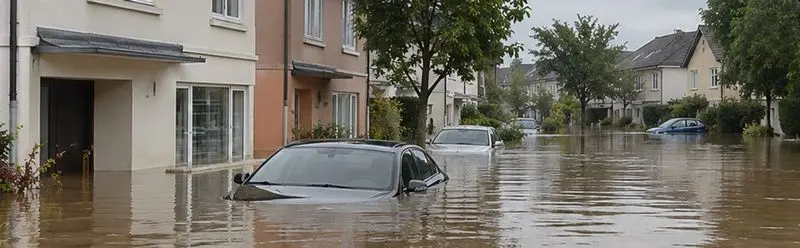
- Flooding. Public Safety Canada says: “In Canada, flooding is the most common and costly natural hazard, causing an average annual loss of over $2 billion.” (news release of 27 April 2026).
- Wildfires. Natural Resources Canada writes of “Canada’s fire season, which typically runs April through September” (story of May 2022, so older than the other pages).
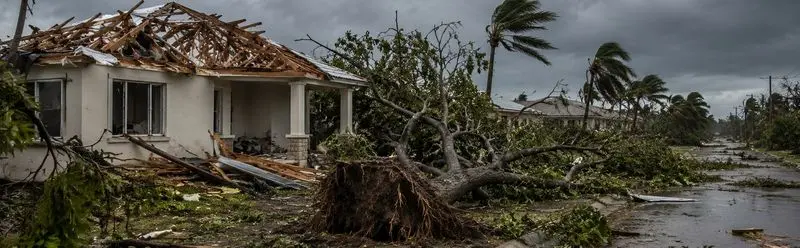
- Others, by region. The government’s hazards page also lists earthquakes, winter storms, thunderstorms, tornadoes, hurricanes, extreme cold and extreme heat, and, under other emergencies, power outages. It gives no frequency for them.
The government also says that in an emergency you may need to get by without power or tap water.
What changes in your home
The government’s checklist is long. It goes from water, food and documents to medical items, extra supplies for specific hazards and grab-and-go bags. Five examples from it:
- a manual can opener
- a wind-up or battery-powered flashlight
- a wind-up or battery-powered radio
- extra keys for your car and house
- cash in smaller bills and coins
What you need depends on where you live and who is in your home. The checklist says so itself, and tells you to check with your local, provincial or territorial government for what else to include. The full list, adjusted to your household, is in the app.
What this means for your home
| People at home | Water for 3 days |
|---|---|
| 1 | 6 L |
| 2 | 12 L |
| 3 | 18 L |
| 4 | 24 L |
Food for 3 days
The Government of Canada's emergency kit checklist plans 2 litres of water per person per day for drinking, cooking and hygiene, and asks you to be ready to look after yourself for at least 3 days (72 hours). Source: Government of Canada, "Emergency kit checklist"
Where to read more
- The Government of Canada page Emergency kits and the Emergency kit checklist, also in French as Ayez une trousse d’urgence.
- The page Hazards and emergencies, which lists the hazards by type.
- The Emergency Preparedness Week sample articles, where the 9-1-1 advice comes from.
Common questions
How many days does the Government of Canada ask people to prepare for?
At least 72 hours, which is 3 days. The government page on emergency kits says to "be prepared to be self-sufficient for at least 72 hours", and the checklist page says the kit should help you "stay safe and comfortable for at least 3 days (72 hours)".
What is the emergency number in Canada?
9-1-1, for an emergency or to save a life. The Government of Canada says not to call it if you are not experiencing an emergency, and that you cannot currently text 9-1-1.
How much water per person per day does the Canadian checklist plan?
2 litres per person per day, for drinking, cooking and hygiene. For 3 days that is 6 litres per person, so 24 litres for a household of 4. The figure comes from the Government of Canada kit checklist.
Is the Canadian kit for staying home or for leaving?
Both. The government page says the 72-hour kit should work whether you need to evacuate or shelter in place, and that it should be easy to carry if you have to leave.
What are the main risks in Canada?
Public Safety Canada calls flooding the most common and costly natural hazard in the country. Natural Resources Canada says the fire season typically runs from April through September. The Government of Canada also lists other hazards, such as earthquakes, winter storms, extreme cold and heat, and power outages, which vary by region.
Sources
- Government of Canada, "Emergency kits"
- Government of Canada, "Emergency kit checklist"
- Government of Canada, "Ayez une trousse d'urgence" (French version of the checklist)
- Government of Canada, "Hazards and emergencies"
- Government of Canada, Emergency Preparedness Week 2026, "Sample articles"
- Public Safety Canada, news release on Canada's Flood Risk Finder (27 April 2026)
- Natural Resources Canada, story on forecasting wildland fires (May 2022)