Emergency preparedness in Ireland: what the Office of Emergency Planning asks of households
You want to know how much food and water to keep at home in case of a storm, a flood or a power cut. The Irish government's advice is calm and practical: even a small supply helps, and you do not need to buy everything at once.
Ireland's Office of Emergency Planning asks households to keep enough food and water to see them through an emergency, and says even a small supply helps. It gives water figures: 2 to 3 litres per person per day to drink, and 10 litres for cooking and hygiene. Our suggestion is to start with 3 days.
Emergency numbers in Ireland
| Service | Number | Source |
|---|---|---|
| Emergencies and urgent medical help | 112 | Office of Emergency Planning, Emergency contacts |
| Emergencies and urgent medical help (equivalent number) | 999 | Office of Emergency Planning, Emergency contacts |
The Office of Emergency Planning says: “In case of emergencies or a need for urgent medical help, you should call 112 or 999.” We read this on 13 November 2026. The booklet explains that the operator “will ask which emergency service you need, and connect you with them immediately”. If you cannot make a voice call, its “Make a plan” page says: “Text 112 if unable to make a voice call.” The booklet also asks you to make sure everyone in your household knows your Eircode.
What the Irish government asks
Emergency planning in Ireland is coordinated by the Office of Emergency Planning (OEP), part of the Department of Defence. Its campaign is called Be Emergency Ready.
The OEP asks you to have enough food and water to see you through an emergency. Its “Make a plan” page, which we read on 13 November 2026, puts it this way:
“Even a small supply can help if normal services or supplies are disrupted or unavailable.” (OEP, “Make a plan”)
The Be Emergency Ready booklet says to “make sure you have enough food and water to see you through an emergency”. The OEP does not set a number of days. It also says you do not need to buy everything at once.
Our suggestion: start with 3 days for everyone in your home and add days as space and budget allow. This is our suggestion, not the government’s. Our guide to how many days an emergency kit should last puts other governments side by side.
Water
Ireland has its own figures. The OEP page on loss of utilities says:
“Each person needs 2–3 litres of drinking water each day and 10 litres for basic cooking and hygiene needs.” (OEP, “Loss of utilities”)
The “Make a plan” page repeats the drinking figure: 2 to 3 litres per person per day. Our sum: one person needs 6 to 9 litres to drink over 3 days, before cooking and hygiene. The water guide compares Ireland with other governments.
The main risks
The OEP lists 22 risks, “based on the latest National Risk Assessment”, without ranking them. Three of them, each with its own OEP guide:
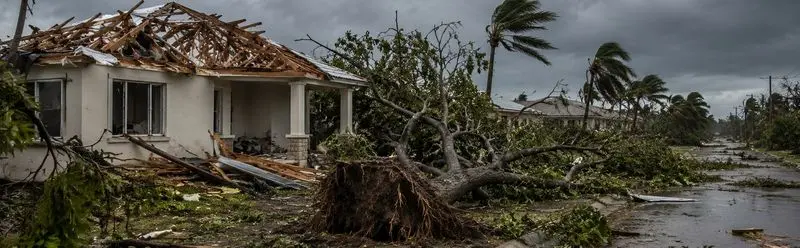
- Storms. The OEP says to “keep up to date of weather warnings from Met Éireann”.
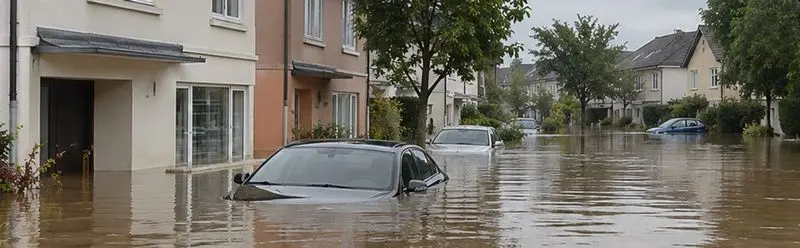
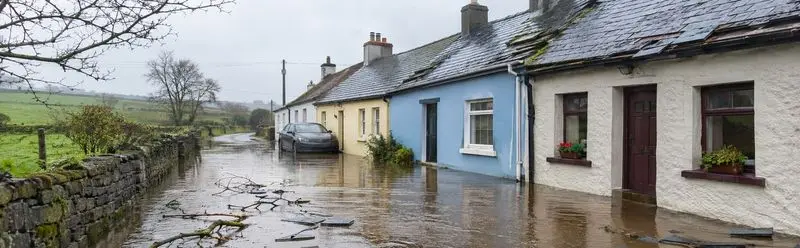
- Flooding. The OEP says: “If you live in or near a flood-risk area, it’s important to prepare in advance.”
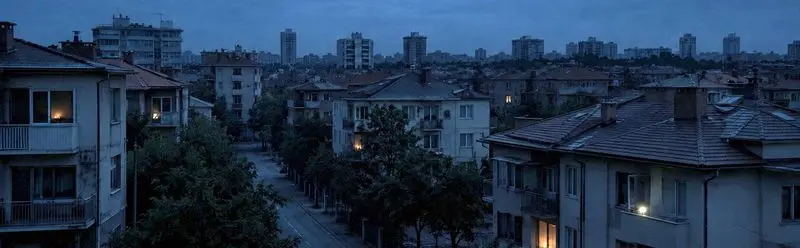
- Loss of electricity or gas. The list calls it disruption to electricity or gas supply. The OEP says to keep “a torch or lamp with spare batteries”.
What to do at home
The OEP’s “Make a plan” page lists what to keep, from water to a radio. Five examples to start with, besides water:
- Non-perishable food.
- A torch or lamp with spare batteries.
- A battery, wind-up or solar radio.
- Power banks for recharging phones.
- A first aid kit.
The full list, adjusted to your home, is in the app.
What changes in your home
The OEP’s list is the same for everyone, but your home is not. Who lives with you, whether anyone takes medication every day, whether you have pets, and whether you live near a river or the coast all change what you need. The list that fits your home, with those differences, is in the app.
Where to read more
- The Office of Emergency Planning page Make a plan.
- The page on Loss of utilities, with the water figures.
- Know the risks, the list of 22 risks, with a guide for each.
- The Be Emergency Ready booklet (PDF).
Common questions
What does the Irish government ask households to keep at home?
Enough food and water to see you through an emergency, according to the Office of Emergency Planning's Be Emergency Ready booklet. Our suggestion, not the government's, is to start with 3 days and add more as space and budget allow.
What are the emergency numbers in Ireland?
The Office of Emergency Planning says to call 112 or 999 in an emergency or when you need urgent medical help. Its booklet adds that the operator asks which emergency service you need and connects you. If you cannot make a voice call, its Make a plan page says to text 112.
How much water per person per day does Ireland recommend?
The Office of Emergency Planning says each person needs 2 to 3 litres of drinking water each day, and 10 litres for basic cooking and hygiene needs. The OEP page on loss of utilities gives both figures in one sentence.
Do I need to buy everything at once?
No. The Office of Emergency Planning says you do not need to buy everything at once, and that even a small supply can help if normal services or supplies are disrupted or unavailable.
What risks does the Irish government list?
Its Know the risks page lists 22 risks based on the latest National Risk Assessment, without a ranking. Storms and flooding are on the list, and each has its own guide. So is disruption to electricity or gas supply.
Sources
- Office of Emergency Planning (Department of Defence, Ireland), "Emergency contacts"
- Office of Emergency Planning, "Make a plan"
- Office of Emergency Planning, "Loss of utilities"
- Office of Emergency Planning, "Know the risks"
- Office of Emergency Planning, "Storms"
- Office of Emergency Planning, "Advice in a flooding emergency"
- Office of Emergency Planning, "Be Emergency Ready" booklet (PDF)