How to build home supplies step by step, without one big shop
You mean to sort out your supplies one weekend, with a big shop and a free afternoon. The weekend does not come, and the plan stays on a list at the back of your mind.
You do not need a big shop. The UK Government says to build up gradually, picking up an extra item or two on regular shopping trips. Germany's BBK describes two ways: a one-off stock you check once a year, or a living stock you use and replace. Japan asks you to stock food you already eat.
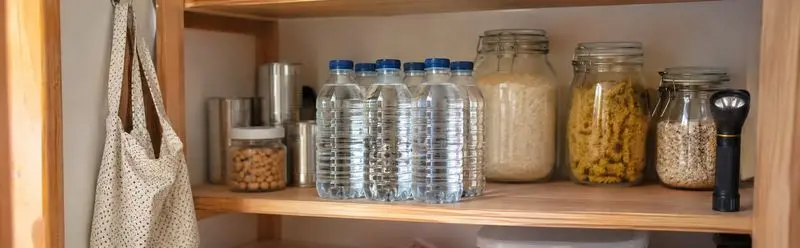
Start with what you already have
The UK Government’s page says you do not need to do it all at once. Build up readiness gradually, step by step, and pick up an extra item or two when you can. Its first two steps are simple: see what you already keep in your cupboards, then note down what you still need for your household.
Two ways to build
Germany’s BBK describes two ways to build a stock of food and drink. Both work, and you can choose the one that fits your week:
- A one-off stock. Buy once, a larger shop. Check shelf life regularly, for example once a year on a set date, and use up what will soon expire. Replace used or expired products promptly.
- A living stock. On each shop, take a little extra, for example one or two more packs of pasta than you need that week. Use products in everyday meals, starting with those that expire first, and buy replacements on one of your next shops. The stock builds slowly and stays fresh.
The UK Government adds that picking up missing items during your regular shopping spreads the cost.
Food you already eat
Japan’s government says not to prepare special things for disasters but, as far as possible, to stock foods used in everyday life. The UK checklist says it is best to buy food you would usually eat, and Germany’s BBK says that your normal food consumption can help you work out your own needs. Japan’s agriculture ministry runs a household stockpiling portal that covers the “rolling stock” method and has a guide for people who live alone.
Our suggestion: pick one or two things you already eat every week and buy one more each time you shop.
How far to go
Start with three days. Germany’s BBK says that at least three days already help a great deal and that you can build up step by step towards ten days. Japan’s government says that one week is desirable after a large-scale disaster. For what each source says, see how many days an emergency kit should last. When you have a few things stored, the check twice a year keeps them fresh.
The part that is different for every home
How you build up depends on who eats at your table: allergies, a baby, someone who needs a special diet, pets, how much room you have. The BBK says a stock of food and drink is something very individual.
Country by country
Each page below is written from that country's own official sources.
Common questions
Where do I start?
The UK Government suggests looking in your cupboards first, to see what essentials you already keep, and then noting down what you still need for your household.
What is a living stock?
It is Germany's BBK name for a stock you keep going: you buy one or two extra packs on each shop, use products in everyday meals, starting with those that expire first, and buy replacements on one of your next shops.
What is the difference from a one-off stock?
A one-off stock means a larger shop once. The BBK says to check shelf life regularly, for example once a year on a set date, use up products that will soon expire and replace used or expired products promptly.
Do I need special food?
Not necessarily. Japan's government says not to prepare special things for disasters but, as far as possible, to stock foods used in everyday life. The UK checklist says it is best to buy food you would usually eat.
How many days should I aim for?
Start with three days. Germany's BBK says that three days already help a great deal and that you can build up step by step towards ten days if you can.
Sources
- UK Government, Be Ready for emergencies
- UK Government, Be Ready checklist (PDF)
- BBK (Germany), Essen und Trinken bevorraten
- BBK (Germany), "Vorsorgen für Krisen und Katastrophen" (PDF, 11/2025)
- Prime Minister's Office (Japan), disaster preparedness at home
- Ministry of Agriculture, Forestry and Fisheries (Japan), household food stockpiling portal