What is a 72-hour kit, and what is it not?
You hear "72-hour kit" and picture a rucksack for the wilderness. Then you read an official guide, and it asks for tins, a battery radio and your regular medicines.
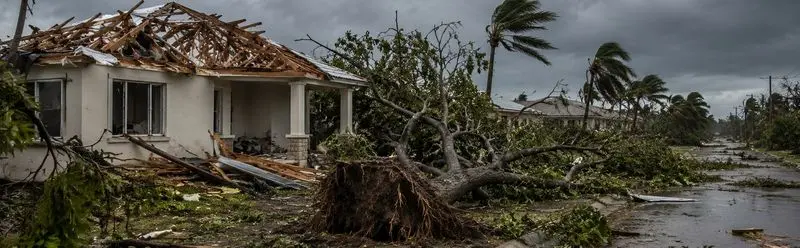
A 72-hour kit is basic supplies for the first three days of a crisis, not wilderness gear. France's SGDSN guide says the first 72 hours are often the hardest, and it lists water, food, warmth, a battery radio, medicines and papers. The UK Government and Japan also start from three days.
The names
People call it many things, but the official pages use plain names. France’s guide has a section called “mon kit d’urgence” (my emergency kit) and a checklist titled “le kit pour 72h”. Ready.gov talks about an emergency supply kit. The American Red Cross describes an easy-to-carry kit that you can use at home or take with you if you must evacuate. Germany’s BBK uses two words: a stock of food and drink, and a Notgepäck, a bag for leaving.
They describe the same idea: what a household needs to get through the first days by itself.
Why 72 hours
France’s SGDSN says that when a crisis hits, the first 72 hours are often the hardest, and that preparing ahead lets the emergency services concentrate on people in great difficulty. The UK Government says that being ready for 3 days helps you manage while support reaches those most in need. Japan’s government asks for at least three days of water and food. Germany’s BBK says three days already help a great deal.
What is inside, in three needs
The French guide groups the kit under three key principles. The items are examples from the guide:
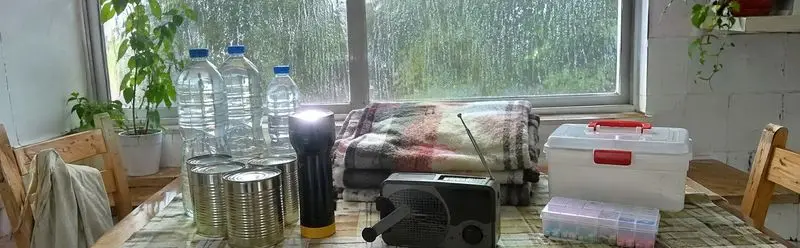
- Drink and eat. Bottled drinking water and food that keeps and needs no cooking.
- Keep warm. Warm clothes, an emergency blanket, a torch with spare batteries, matches or a lighter.
- Look after your health. Medicines, a first aid kit and spare glasses.
It adds a battery radio with spare batteries, a phone charger, cash, copies of key papers in a waterproof pouch and a spare set of keys. It does not ask for wilderness equipment. For how much water to buy, see how much water per person per day.
Home supplies and go bag
Our suggestion: when you read “72-hour kit”, check whether the list means supplies for staying at home or a bag for leaving. They overlap, but the bag is lighter and the supplies are bigger. We call the first home supplies and the second a go bag.
France’s guide asks you to keep the kit somewhere easy to reach and to check it twice a year.
The part that is different for every home
Three days is the same for everyone, but what goes in for three days is not. A baby, medicines, pets, who lives with you and where you live change the list. The 3-day checklist shows the shared core.
Country by country
Each page below is written from that country's own official sources.
Common questions
Is a 72-hour kit the same as a go bag?
Not always. The word kit can mean supplies for staying at home or a bag for leaving. We call the first home supplies and the second a go bag. Germany's BBK keeps them apart, and the bag is lighter.
Why 72 hours?
France's SGDSN says the first 72 hours of a crisis are often the hardest, and that preparing lets the emergency services concentrate on people in great difficulty. The UK Government says three days of readiness helps you manage while support reaches those most in need.
Is it equipment for the wilderness?
The official lists ask for everyday things: water, food that keeps, a torch, a radio, medicines, warm clothes, cash and copies of documents. They do not ask for wilderness equipment.
What do the official pages call it?
France's guide says "kit d'urgence" and titles its checklist "the kit for 72h". Ready.gov says emergency supply kit, and the American Red Cross describes an easy-to-carry kit. Germany's BBK speaks of a Vorrat (a stock) and a Notgepäck (a bag for leaving).
How often should I check it?
France's SGDSN says twice a year: check the expiry dates of medicines and food and replace the batteries. The UK Government suggests a reminder every 6 months.