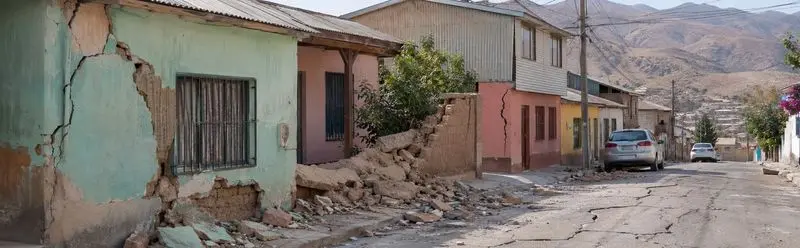
Emergency preparedness in Chile: 48 to 72 hours, 2 litres of water and a number for each service
You look up what to keep at home in a country with destructive earthquakes, and every site gives you a different number of days. In Chile the national disaster agency, SENAPRED, gives a range: basic supplies for 48 to 72 hours. It also gives a water figure. The emergency numbers are listed one per service, so it helps to know which belongs to which.
Chile's SENAPRED says you should have basic supplies for 48 to 72 hours, and its kit page counts 2 litres of water per person per day. The ambulance service is 131, the fire brigade 132 and the police (Carabineros) 133.
Emergency numbers in Chile
| Service | Number | Source |
|---|---|---|
| Ambulance and medical emergencies (SAMU) | 131 | Government of Chile page, read 13 November 2026 |
| Fire brigade (Bomberos) | 132 | Government of Chile page and SENAPRED wildfire page, read 13 November 2026 |
| Police (Carabineros) | 133 | Government of Chile page and SENAPRED wildfire page, read 13 November 2026 |
| Investigations police (PDI) | 134 | Government of Chile page and SENAPRED wildfire page, read 13 November 2026 |
| Wildfires, forest service (CONAF) | 130 | SENAPRED wildfire page, read 13 November 2026 |
The Government of Chile page, written for visitors, lists “Servicio de Atención Médico de Urgencias (SAMU) 131” and then the others, one number per service (our translation: Medical Emergency Care Service).
What the Chilean government asks
SENAPRED is the National Service for Disaster Prevention and Response. Its kit page says:
“In an emergency, you must have basic supplies for 48-72 hours.” (SENAPRED, our translation of the Spanish original)
We read the page on 13 November 2026. Its “Familia Preparada” page is a family plan in 8 steps.
Our suggestion: plan for 3 days, which is 72 hours, the top of SENAPRED’s range. If you are short of space or budget, start with 48 hours and build up. Our guide to how many days an emergency kit should last puts Chile next to other governments.
Water
SENAPRED gives a figure of its own:
“Water: count on two litres per person per day (including small bottles, which are easier to carry).” (SENAPRED, our translation of the Spanish original)
That is 2 litres per person per day. The same page lists, under additional supplies, “two extra litres of water per day” (our translation). Our water guide compares what other governments say.
The main risks
SENAPRED and CONAF pages point to three situations.
- Earthquakes. SENAPRED’s page on earthquakes explains that most destructive earthquakes in Chile relate to the Nazca plate moving under the South American plate (“movimiento convergente de la placa de Nazca por debajo de la Sudamericana”).
- Wildfires. A CONAF note about the Aysén region says “el periodo de mayor ocurrencia de incendios forestales se extiende entre los meses de octubre y abril”, which means October to April in Chile; the same note says December, January and February are the most critical.
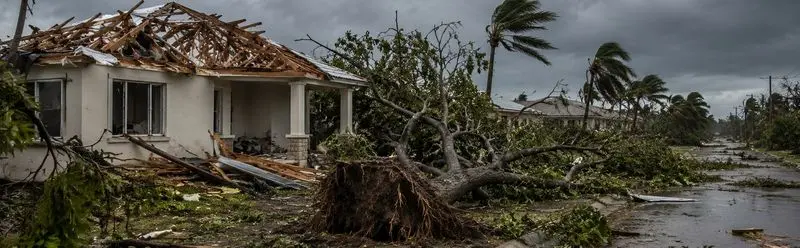
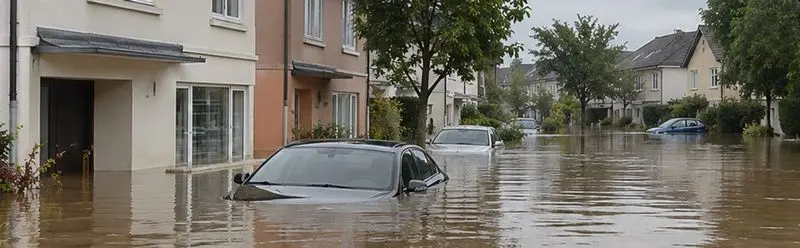
- Floods and heavy rain. SENAPRED’s Programa Invierno covers “las lluvias, nevadas y otros eventos meteorológicos del periodo otoño-invierno”, lists “Inundaciones y anegamientos” and applies every year between the regions of Antofagasta and Magallanes.
What you can do at home
- Start with 3 days. Water first: 2 litres per person per day, as SENAPRED counts it. Food that keeps, light, a battery radio and a first-aid kit are examples from the SENAPRED list. The full list, adjusted to your home, is in the app.
- Pack a go bag too. The go bag is what you carry if you have to leave quickly. SENAPRED’s list includes a manual can opener, copies of your documents, cash and spare keys, and it has a separate list for the car.
- Think of who needs more. The SENAPRED list asks you to consider special needs, such as babies, people with autism and pregnant women. For animals, SENAPRED’s page links to PDFs.
What changes in your home
The official list is the same for everyone. Your home is not. A baby, a medicine you take every day, a pet or a house in a risk zone change what the list should hold. The full list, adjusted to the people and animals in your home, is in the app.
What this means for your home
| People at home | Water for 2 days | Water for 3 days |
|---|---|---|
| 1 | 4 L | 6 L |
| 2 | 8 L | 12 L |
| 3 | 12 L | 18 L |
| 4 | 16 L | 24 L |
Food for 2 days · Food for 3 days
SENAPRED says you should have basic supplies for 48 to 72 hours in an emergency and counts 2 litres of water per person per day. Source: SENAPRED (Chile), "Kit de Emergencia"
Where to read more
- The SENAPRED page Kit de Emergencia and the page Familia Preparada, in Spanish.
- The SENAPRED page on wildfires, with the emergency numbers.
- The Government of Chile page Condiciones de seguridad.
- The SENAPRED page Programa Invierno.
Common questions
What number do I call in an emergency in Chile?
The Government of Chile page for visitors lists 131 for the ambulance service (SAMU), 132 for the fire brigade (Bomberos), 133 for the police (Carabineros) and 134 for the investigations police (PDI). The SENAPRED wildfire page lists 130 for CONAF, the forest service.
How many hours does SENAPRED ask households to prepare for?
For 48 to 72 hours. SENAPRED's kit page says that in an emergency you must have basic supplies for that long. Our suggestion: plan for 3 days, the top of that range.
How much water per person per day does Chile recommend?
2 litres per person per day, including small bottles, which are easier to carry. The same SENAPRED page also lists, under additional supplies, two extra litres of water per day.
When is wildfire season in Chile?
A CONAF note about how the Aysén region is preparing says that in Chile the period of greatest wildfire occurrence runs between October and April, and that December, January and February are the most critical.
Should I plan for my pets too?
SENAPRED has a page on animals (Dimensión animal) that links to several PDFs, including one with an emergency kit for pets. The full list for your home, with the animals you have, is in the app.
Sources
- SENAPRED (Chile), "Kit de Emergencia" (read 13 November 2026)
- SENAPRED (Chile), "Familia Preparada" (read 13 November 2026)
- SENAPRED (Chile), "Incendios Forestales" (read 13 November 2026)
- Government of Chile (Chile en el Exterior), "Condiciones de seguridad" (read 13 November 2026)
- SENAPRED (Chile), "Sismos" (read 13 November 2026)
- CONAF (Chile), "Cómo se prepara la Región de Aysén para un nuevo período de incendios forestales" (read 13 November 2026)
- SENAPRED (Chile), "Programa Invierno" (read 13 November 2026)
- SENAPRED (Chile), "Dimensión animal" (read 13 November 2026)