Emergency preparedness in New Zealand: 111, three days of supplies and 3 litres of water a day
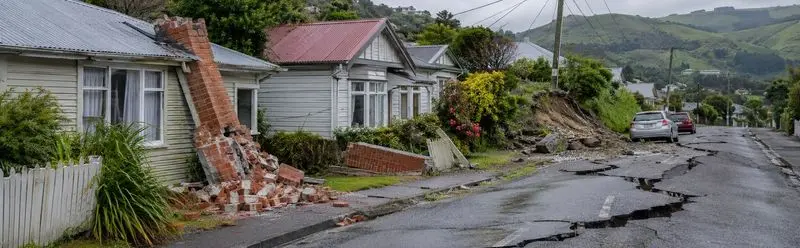
The ground shakes, the power goes and the roads out of your street are closed. How long should the cupboard last, and how much water is that? Official New Zealand pages give short answers to both, and they take a few minutes to read.
Auckland Emergency Management asks you to think about the supplies you would need to stay safe and comfortable at home for at least three days. Health NZ says you need about 3 litres of drinking water for each person each day, which comes to 9 litres per person over three days. In an emergency that needs the police, the fire service or an ambulance, you call 111.
Emergency numbers in New Zealand
| Service | Number | Source |
|---|---|---|
| Police, fire and ambulance | 111 | New Zealand Police, 111 Emergency Services |
| Police, fire and ambulance (same number) | 111 | Immigration New Zealand, Police, emergency services and natural disasters |
New Zealand Police say: “Call triple one when you need an emergency response from Police, Fire or Ambulance.” Immigration New Zealand puts it the same way: “if you need the police, the fire service, or an ambulance for an emergency, call 111”. It adds that “Calling 111 is free” and that you can call from a mobile phone, even if you have no credit left. We read both pages on 13 November 2026. There is one number for all three services.
What New Zealand’s official pages ask
Auckland Emergency Management says on its flood page:
“In an emergency, you could be stuck at home for an extended period, or need to leave quickly. Consider what supplies you would need to stay safe and comfortable for at least three days.” (Auckland Emergency Management, Floods)
Health NZ lists tinned food for at least 3 days and says that “some parts of Aotearoa New Zealand could be without water for longer than 3 days during an emergency”. It asks you to check with your local Civil Defence Emergency Management Group how much water they recommend people in your region should store. We read both pages on 13 November 2026. The three days come from these two pages, not from a single national rule.
Our suggestion: start with 3 days for everyone in your home, then add days as space and budget allow. This is our suggestion, not the government’s. Our guide to how many days an emergency kit should last puts other governments side by side.
Water
Health NZ gives the figure:
“You need about 3 litres of drinking water for each person each day.” (Health NZ, Preparing for an emergency)
Over three days that comes to 9 litres per person, and for a household of four, 36 litres. The multiplication is ours. Health NZ’s page was read on 13 November 2026. The water guide compares New Zealand with other governments.
The main risks
These are the hazards the official pages name.
- Earthquakes. GeoNet says: “GeoNet locates around 20,000 earthquakes in and around New Zealand each year” and “New Zealand is on the boundary between two of these plates”.
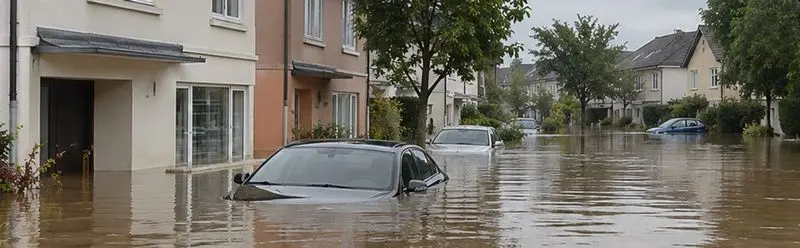
- Floods. Immigration New Zealand lists floods among the hazards that “can happen with little warning”. Auckland Emergency Management says to “keep an eye on weather updates and any advice from Auckland Emergency Management, especially during storm seasons”.
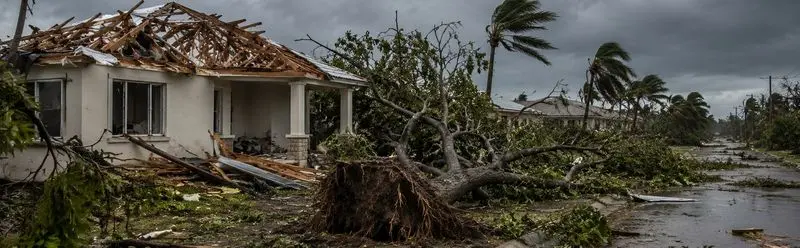
- Storms. The same Immigration New Zealand sentence lists storms, along with landslides, tsunami and volcanic activity. Its words: “earthquakes, floods, landslides, storms, tsunami, volcanic activity, and other hazards can happen with little warning”.
What to do at home
- Start with water. Health NZ’s figure is about 3 litres of drinking water per person per day.
- Add food that keeps. Health NZ suggests tinned food for at least 3 days. Examples from its list: rice and pasta, nuts, and crackers. The 3-day checklist goes item by item.
- Think about a go bag as well. Home supplies are what you keep to stay put. A go bag is for the day you have to leave quickly. Auckland Emergency Management says: “Think about what your separate grab bag should contain.”
For how many days to plan, see how many days an emergency kit should last. For amounts of water, see the water guide.
What changes in your home
The people who live with you change the list: children, older relatives, anyone who takes daily medicines, and pets each need something different. So does where you live, because a flat in the city and a house near a river do not face the same risks. The full list, adjusted to your home, is in the app.
What this means for your home
| People at home | Water for 3 days |
|---|---|
| 1 | 9 L |
| 2 | 18 L |
| 3 | 27 L |
| 4 | 36 L |
Food for 3 days
Health NZ says you need about 3 litres of drinking water for each person each day, and lists tinned food for at least 3 days. Source: Health New Zealand (Te Whatu Ora), "Preparing for an emergency"
Where to read more
- Health NZ’s page Preparing for an emergency, with the water figure and the food list.
- Auckland Emergency Management on floods, with the three days.
- New Zealand Police on 111 Emergency Services.
- GeoNet’s Earthquake FAQ.
Common questions
What number do I call in an emergency in New Zealand?
111. New Zealand Police say: "Call triple one when you need an emergency response from Police, Fire or Ambulance." Immigration New Zealand adds that calling 111 is free, including from a mobile phone with no credit left.
How many days of supplies do official New Zealand pages ask for?
At least three days. Auckland Emergency Management asks you to consider what supplies you would need "to stay safe and comfortable for at least three days", and Health NZ lists tinned food for at least 3 days. Health NZ also says some parts of the country could be without water for longer than three days.
How much water per person does New Zealand recommend?
Health NZ says: "You need about 3 litres of drinking water for each person each day." Over three days that comes to 9 litres per person. Health NZ also asks you to check with your local Civil Defence Emergency Management Group how much water they recommend people in your region should store.
What is a grab bag?
It is the separate bag that Auckland Emergency Management and Health NZ mention for the day you have to leave quickly. On this site we call it a go bag, and it is separate from your home supplies.
What risks do New Zealand authorities mention?
GeoNet says New Zealand sits on the boundary between two tectonic plates and locates around 20,000 earthquakes in and around the country each year. Immigration New Zealand lists earthquakes, floods, landslides, storms, tsunami and volcanic activity as hazards that can happen with little warning.