Emergency preparedness in Norway: what the DSB asks of households
You read that the Norwegian authorities want as many people as possible to manage for a week. After a power cut of a few hours, a week sounds like a lot of water and tins. The DSB explains its reasons, and you can build up step by step.
The Norwegian government agency DSB asks as many people as possible to be ready to manage on their own for a week. It recommends storing around 20 litres of drinking water per person. Norway has three emergency numbers, one per service: 110 for fire, 112 for police and 113 for medical emergencies.
Emergency numbers in Norway
| Service | Number | Source |
|---|---|---|
| Fire (brann) | 110 | Nkom |
| Police (politi) | 112 | Nkom |
| Medical emergency (medisinsk nødtelefonhjelp) | 113 | Nkom |
Norway does not have one number for everything. The DSB’s page on the emergency call service speaks of “the national emergency numbers 110 (fire), 112 (police) and 113 (health)” (DSB, our translation of the Norwegian original). So in a medical emergency the number is 113, not 112.
Nkom, the telecom regulator, notes that 112 is a common European emergency number that works in all EU/EEA countries, and that in Norway it reaches the police. We read both pages on 13 November 2026.
What the Norwegian government asks
The DSB (Direktoratet for samfunnssikkerhet og beredskap) is a Norwegian government agency. On its page about self-reliance (egenberedskap) it says:
“Norwegian authorities recommend that as many people as possible are prepared to manage on their own for a week.” (DSB, our translation of the Norwegian original)
The DSB repeats this in its questions and answers, and we read both pages on 13 November 2026. The reasons it gives, in our words: infrastructure such as power, water and internet is rarely out for more than a week; a week gives you, your relatives and the authorities time to plan for longer crises; and it is realistic for much of the population.
Our suggestion: a week is a lot to build in one go. Start with 3 days for everyone in your home and add days as space and budget allow. Then a week is a goal you work towards, not a hurdle on day one.
Water
Norway has its own figure, but it is not a daily one. The DSB’s page on water says:
“We recommend storing around 20 litres of drinking water per person.” (DSB, our translation of the Norwegian original)
If you want a daily figure, our own sum is about 2.9 litres a day (20 divided by 7). That is our sum, not an official figure. For other periods, see the water guide, which compares what other governments say.
The situations to think about
These are the situations the DSB writes about:
- A long power cut. The DSB says: “You should therefore be prepared to manage without power for a week.” (DSB, our translation of the Norwegian original)
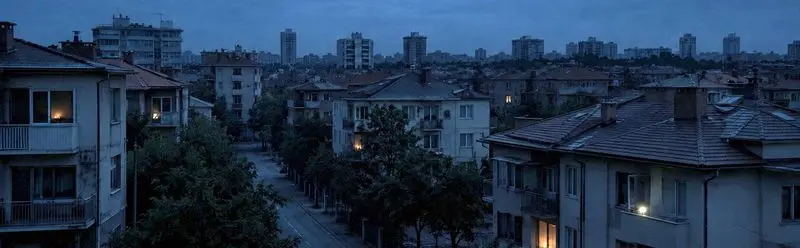
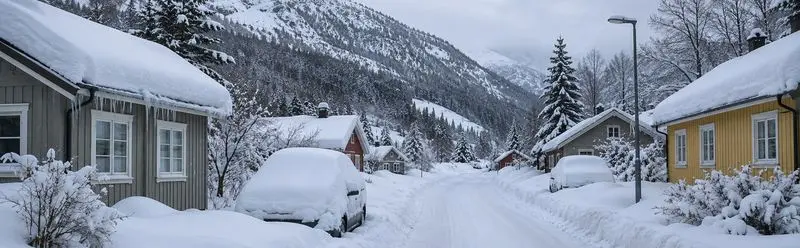
- Cold and dark indoors in winter. The same DSB page says: “If there is a power cut in winter, it can quickly become cold and dark indoors.” (DSB, our translation of the Norwegian original)
What to do at home
- Pick your number of days. The DSB says a week. Our suggestion is to start with 3 and grow. The guide to how many days an emergency kit should last puts Norway next to other governments.
- Water first. The DSB’s figure is around 20 litres of drinking water per person. If 20 litres will not fit, it says 5 or 10 litres is much better than nothing.
- Plan for warmth and light without mains power. That is the situation the DSB describes for winter. Examples from its advice: warm clothes and blankets, a torch or head torch with spare batteries, and a DAB radio that runs on batteries, because NRK P1 is the preparedness channel. The DSB also suggests agreeing in advance with neighbours, family or friends that you can stay with them if the power cut drags on.
The full list, adjusted to your home, is in the app.
What changes in your home
Who lives with you changes the list: children, older relatives, people who take daily medication and pets each need something different. So do where you live and how you heat your home. The list that fits your home, with all those differences, is in the app.
What this means for your home
| People at home | Water for 7 days |
|---|---|
| 1 | 20 L |
| 2 | 40 L |
| 3 | 60 L |
| 4 | 80 L |
Food for 7 days
The DSB recommends that as many people as possible are prepared to manage on their own for a week, and says to store around 20 litres of drinking water per person, which covers the minimum need for a week. Source: DSB (Norway), "Egenberedskap"
Where to read more
- The DSB page Egenberedskap, in Norwegian, and its questions and answers.
- The DSB pages Vann i beredskap and Slik beholder du varme og lys hvis strømmen går.
- The Nkom page on emergency numbers and the DSB page on the emergency call service.
Common questions
How many days does the DSB ask Norwegians to prepare for?
A week. The DSB says Norwegian authorities recommend that as many people as possible are prepared to manage on their own for a week.
What are the emergency numbers in Norway?
Norway has one number per service: 110 for fire, 112 for police and 113 for medical emergencies. In a medical emergency the number is 113, not 112. Nkom, the telecom regulator, and the DSB both list them.
How much water per person does the DSB recommend?
Around 20 litres of drinking water per person, which the DSB says covers the minimum need for a week. If you want a daily number, our own sum is about 2.9 litres a day (20 divided by 7), which is not an official figure.
Is the 72-hour figure used in Norway?
No. The DSB speaks of a week and does not mention 72 hours. Our suggestion is to start with 3 days and add days as you can.
What if the power goes out in winter?
The DSB writes that a power cut in winter can quickly make it cold and dark indoors, and that you should be ready to manage without power for a week. It has a separate page on how to keep warm and have light.